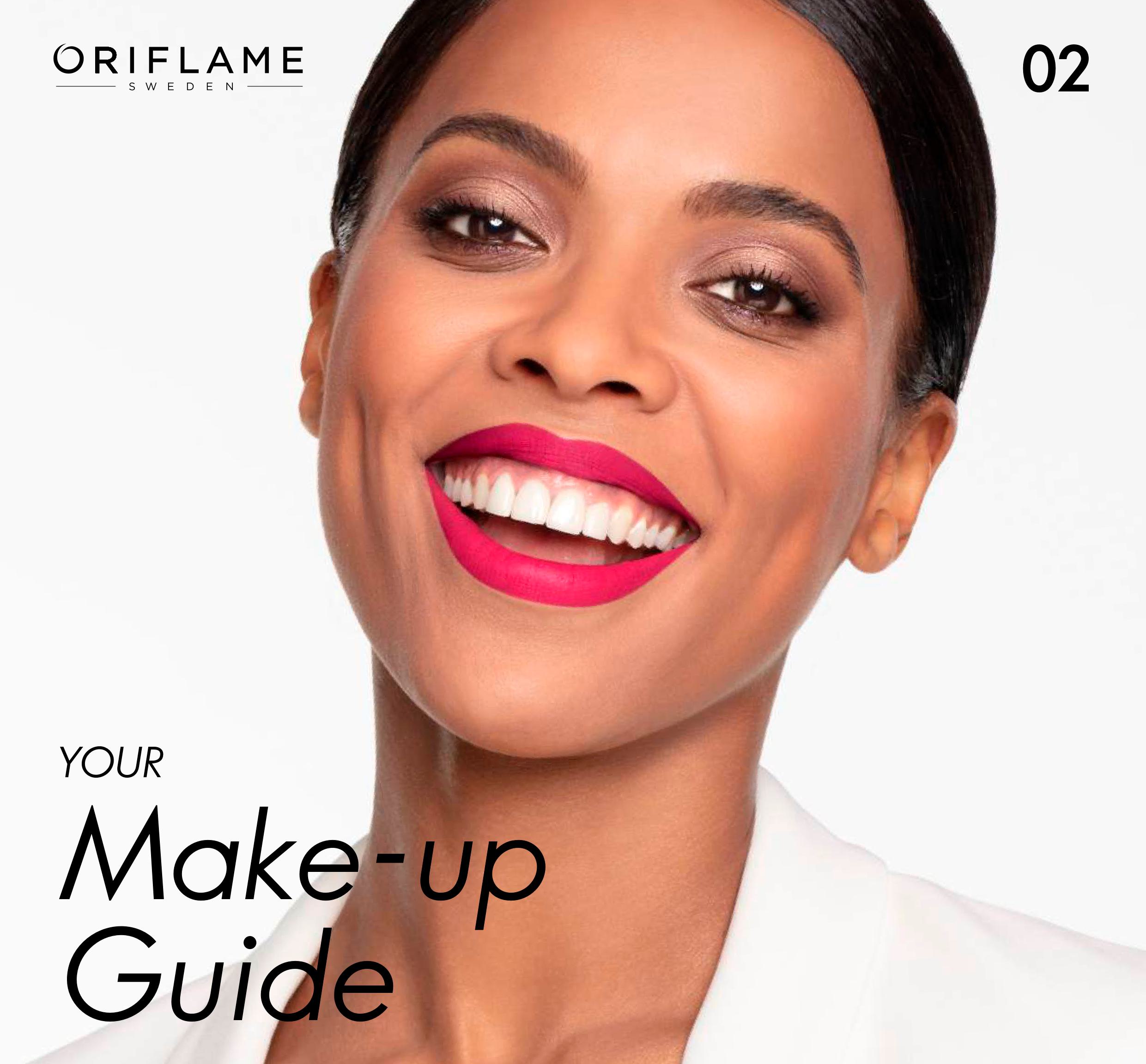
Makeup for dark skin tone is one of the most Googled beauty topics in Kenya — and yet, it remains one of the most underserved. Walk into most beauty counters and you’ll find a wall of foundations that stop at “medium beige” and lip nudes that look chalky on deeper complexions. If that’s ever been your experience, this guide is for you. Whether you’re a complete beginner or someone who’s been doing their own makeup for years but wants to level up, we’re breaking it all down — from foundation matching to lip colours that actually pop.
Why Makeup for Dark Skin Tone Needs a Different Approach
Dark skin tones have more melanin, which means more pigment, richer undertones, and a skin surface that can look ashy, patchy, or overly shiny when the wrong products are used. The rules of “neutral” makeup advice were written for lighter complexions. For deeper skin, you need to think about undertones (cool, warm, or neutral), pigment payoff, oxidation in foundations, and which colours actually translate on deeper complexions versus disappearing completely.
None of this is complicated once you understand your own skin. So let’s go step by step.
Step 1: Know Your Undertone Before Buying Anything
This is the step most people skip, and it’s why so many foundations end up looking orange or grey on dark skin. Your undertone is the colour beneath the surface of your skin — it doesn’t change even when your skin gets darker in the sun.
- Warm undertones: Your skin leans golden, orange, or yellow. Veins on your inner wrist look greenish. Gold jewellery flatters you more than silver.
- Cool undertones: Your skin leans ashy, reddish, or purple. Veins look blue or purple. Silver jewellery looks better on you.
- Neutral undertones: You’re a mix — sometimes warm, sometimes cool, depending on lighting. Both gold and silver work for you.
Once you know your undertone, foundation shopping becomes so much easier. For warm undertones, look for shades described as “golden,” “caramel,” or “bronze.” For cool undertones, look for “espresso,” “mahogany,” or “mocha.”
Step 2: Skincare First — Makeup Looks Better on Healthy Skin
Before you even pick up a brush, your skin needs to be in good shape. Dark skin tones can struggle with hyperpigmentation, uneven texture, and excess oil — all of which affect how makeup sits and lasts. A basic skincare routine makes a bigger difference than any primer or setting spray.
A few things worth having:
- A good moisturiser to prevent your foundation from looking patchy or cakey. Check out the best moisturiser for oily skin in Kenya if you find your skin getting shiny by midday.
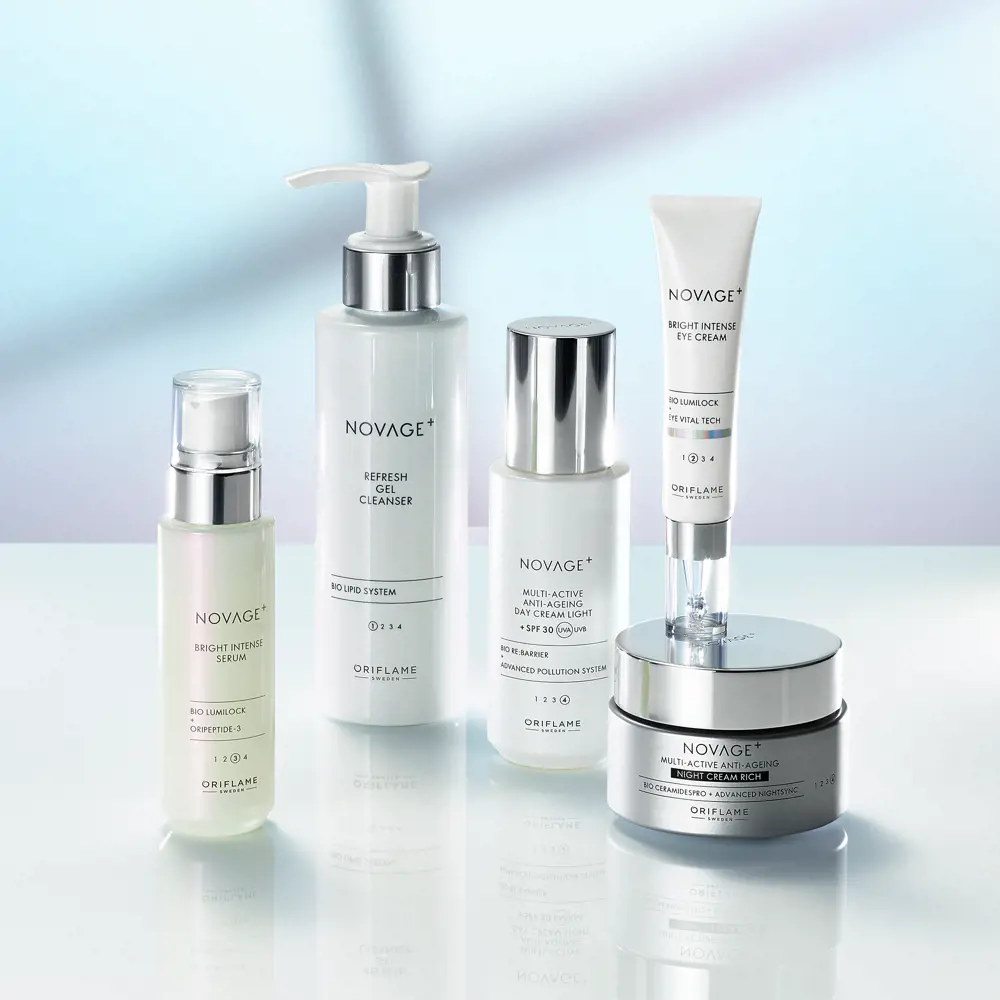
- SPF is non-negotiable. Many people with dark skin think they don’t need sun protection — they do. UV damage causes hyperpigmentation and dark spots that affect your makeup base. The Multi-Protection UV Day Shield SPF 50 is a lightweight option that sits well under makeup.
- Treat dark spots before layering makeup over them. Read our guide on how to get rid of dark spots on the face for options that actually work for Kenyan skin.
Step 3: Foundation — The Biggest Challenge for Dark Skin Tones (and How to Solve It)
Let’s be honest: finding the right foundation for makeup on dark skin tone is hard. Most brands still don’t extend their shade ranges deep enough, and even when they do, the shades can oxidise (turn orange or ashy) within an hour of wearing.
Here’s what to do:
- Always test on your jawline, not your wrist. Your jaw is closest to your neck and chest, so it’ll give you the best match.
- Wait 10 minutes before deciding. Many foundations oxidise after they react with your skin’s oil and natural pH. What looks perfect in the shop can look orange at home.
- Consider mixing two shades if you can’t find a single perfect match. One slightly lighter, one slightly darker — mix to your exact tone.
- Avoid high-coverage matte formulas if you have dry skin. They accentuate texture and can look ashy. A satin or natural finish foundation works better for most dark skin types.
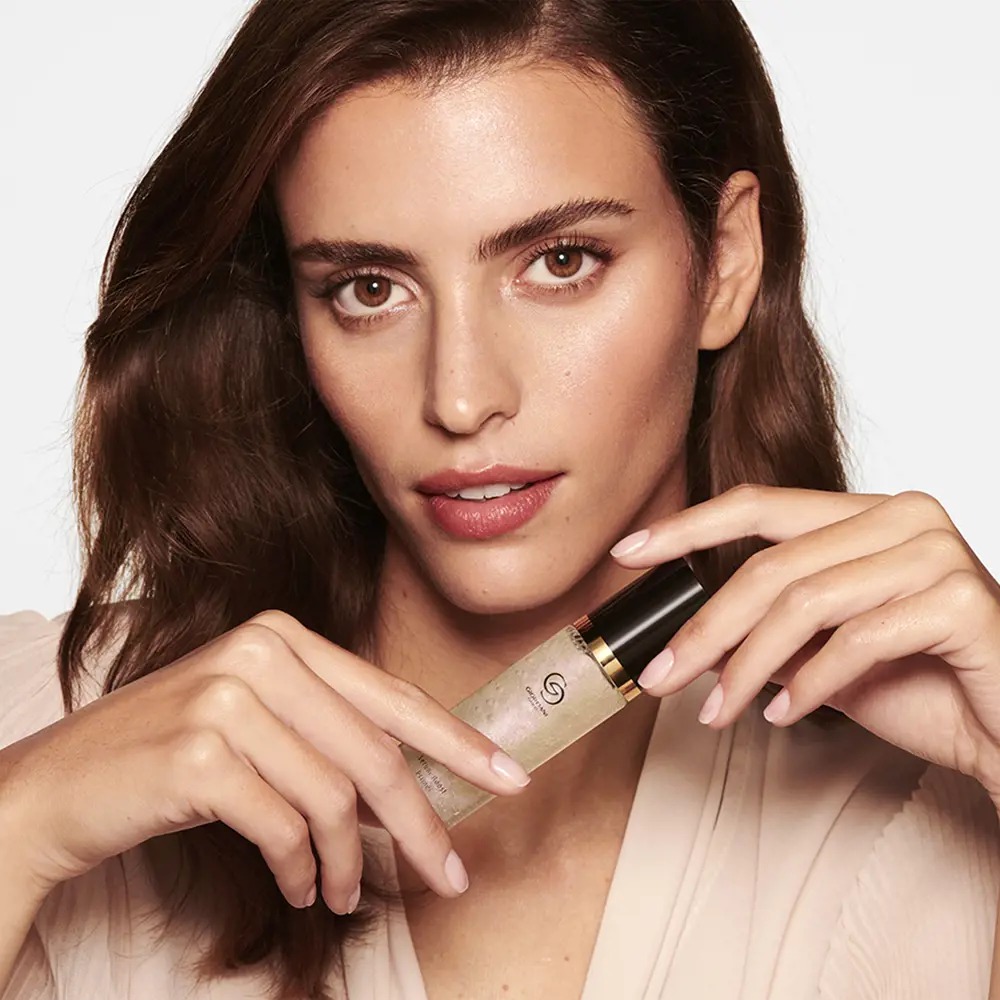
A serum-infused makeup base like the Giordani Gold Serum Boost Makeup Base from our shop can help create a hydrated, smooth canvas before you apply foundation — especially useful if your skin tends to absorb product quickly and look flat.
Step 4: Concealer That Actually Works on Dark Skin
Concealer on dark skin tones is its own conversation. The classic advice of “go one shade lighter for under-eye concealer” can backfire badly on dark complexions — you end up with a grey or lavender cast under your eyes that looks worse than the circles you were trying to cover.
Instead:
- For under-eyes, look for a concealer with a peach or orange corrector base. Orange and peach tones cancel out the blue-purple of dark circles on deeper skin tones far better than yellow-based concealers do.
- For blemishes and hyperpigmentation, use a concealer that matches your exact skin tone rather than going lighter.
- Set your concealer with a translucent or banana powder to keep it from creasing. Banana powder (pale yellow) actually works well on dark skin — it neutralises any remaining purple or grey tones without leaving a white cast.
Step 5: Contour, Highlight, and Blush on Dark Skin
This is where makeup for dark skin tones gets really fun. Deeper complexions hold colour beautifully and can carry bold, dramatic looks that lighter skin tones simply can’t.
Contouring
For dark skin, contour shades need to be brown-based, not grey. Most drugstore contour kits are designed for lighter skin and use cool grey-brown shades that look muddy on deeper complexions. Look for shades like deep bronze, terracotta, or rich cocoa. Apply along the hollows of your cheeks, temples, and jawline for definition.
Highlighting
Gold and bronze highlighters are your best friends. Avoid frosty silver or white highlighters — they can look ashy and unnatural on dark skin. Rich gold, copper, and champagne tones give you that glow that photographs beautifully. Apply to the high points: cheekbones, bridge of the nose, cupid’s bow, and inner corners of the eyes.
Blush
Light pink and peach blushes go invisible on dark skin. Go for deep berry, plum, coral, or burnt orange shades — these show up beautifully and complement warm undertones. If you have cool undertones, deep rose and fuchsia work great. Apply to the apples of your cheeks and blend upward.
Step 6: Eye Makeup for Dark Skin Tone
Your eyes are a canvas, and dark skin is honestly an advantage here. Deep complexions make eyeshadow colours pop in ways that are harder to achieve on lighter skin tones.
- Eyeshadow: All colours work on dark skin, but jewel tones — emerald green, cobalt blue, deep purple, burnt orange — look especially stunning. Don’t be afraid of bold colour. Start with a matte base shade close to your skin tone to create an even lid, then build colour on top.
- Eyeliner: Black eyeliner looks incredible on dark skin. Tight-line your upper waterline and wing out for drama. Brown liner works for a softer daytime look.
- Mascara: Build up coats for volume and length. The Eye Reviver can help brighten and open up the eye area before you apply mascara, which makes a real difference in how your final look comes together.
Step 7: Lip Colours That Work for Makeup on Dark Skin Tone
This might be the most exciting part. Dark skin tones can wear a range of lip colours that would look washed out on lighter complexions. The key is understanding which shades enhance your natural lip colour versus fighting against it.
- Reds: Blue-based reds (classic reds, cherry) look gorgeous on cool undertones. Orange-reds and tomato reds pop on warm undertones.
- Nudes: Skip the beige and pink nudes designed for lighter skin — they look chalky and grey. Your nude is closer to a caramel, terracotta, warm brown, or deep mauve. Try shades described as “toasted almond,” “warm cocoa,” or “deep cinnamon.”
- Berry and plum: These are universally flattering on dark skin tones. Deep burgundy, wine, and plum shades look rich and sophisticated without clashing with any undertone.
- Bold brights: Coral, fuchsia, and even orange lip colours are stunning on darker complexions. Don’t shy away from them.
Before applying any lip colour, line your lips with a matching liner to prevent feathering and extend wear time. A hydrating balm underneath keeps colour from settling into dry lines. Check out the Green Apple Multi-Purpose Balm as a prep step before your lip colour.
Setting Your Makeup So It Lasts All Day in Nairobi’s Heat
Nairobi can be hot, and heat is not kind to makeup. This is a challenge for everyone, but particularly for dark skin tones where oxidised, melted foundation can look especially noticeable.
- Set your foundation with a light dusting of powder, focusing on your T-zone. Too much powder all over can make dark skin look ashy.
- Use a setting spray to melt the powder into your skin and give a natural finish. It also extends wear time significantly.
- If you’re prone to midday shine, keep a blotting product handy rather than piling on more powder throughout the day. The Blotting Roller is compact enough for your bag and absorbs oil without disturbing your makeup.
Common Makeup Mistakes to Avoid on Dark Skin
Even experienced makeup lovers make these mistakes. A few worth knowing:
- Using too much powder: Especially on dry patches, this creates an ashy, flat look.
- Skipping primer: A good primer fills pores, controls oil, and helps foundation last. It’s not optional if you want your makeup to look good after 6 hours.
- Matching your foundation to your hand: Your hand is almost never the same tone as your face. Always swatch on your jawline.
- Ignoring your neck: Blend your foundation down your neck so there’s no visible line between your face and neck. This is especially obvious on dark skin.
- Using cool-toned bronzer: It reads as grey and muddy on dark skin. Stick to warm, golden-brown bronzers.
Building a Beginner Makeup Kit for Dark Skin Tone
If you’re just starting out, you don’t need to buy everything at once. Here’s a practical starter kit:
- Foundation (satin or natural finish, matched to your jawline)
- Orange or peach colour corrector for under-eyes
- Concealer in your exact skin tone
- Warm-toned bronzer or contour powder
- Gold or copper highlighter
- Deep berry or coral blush
- Black eyeliner
- Mascara
- Two lip colours: one bold (red or berry), one everyday (warm nude or terracotta)
- Setting spray
Browse the Oriflame Kenya shop to find products suited to your skin tone, or download the current catalogue for a full range of available shades and products.
And if you’re new to makeup entirely, our Makeup Tips for Beginners guide walks you through the whole process from the very first step. You might also find our Best Anti-Aging Routine After 35 useful if skincare is part of your broader beauty journey.
Recommended Oriflame Products for Dark Skin Tones
Oriflame has a solid range of products that work well for darker complexions. A few worth trying:
- Multi-Protection UV Day Shield SPF 50 — lightweight sunscreen that sits well under makeup without leaving a white cast
- Blotting Roller — absorbs midday oil without disturbing your base
- Eye Reviver — brightens the under-eye area before mascara and eyeshadow
- Green Apple Multi-Purpose Balm — versatile lip and skin prep
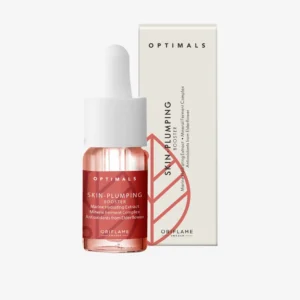
- Skin-Plumping Booster — adds hydration beneath your makeup for a dewy, non-ashy finish
Where to Learn More About Makeup for Dark Skin
There are some brilliant creators and resources specifically focused on dark skin makeup techniques. A few worth bookmarking:
- Patrick Starrr on YouTube — incredible tutorials for deep skin tones with real product recommendations
- Allure’s best foundations for dark skin — regularly updated roundup of shades that actually work
- Beauty Glossip — African beauty content specifically focused on dark complexions
Frequently Asked Questions About Makeup for Dark Skin Tone
What foundation is best for dark skin tone?
The best foundation for dark skin tone is one that matches your undertone and doesn’t oxidise to an orange or ashy colour. Look for satin or natural-finish formulas with warm brown, golden, or espresso undertones. Always test on your jawline, not your wrist, and wait 10 minutes before deciding. Brands that tend to extend their shade ranges further are usually a safer bet than those with limited deep shades.
What colour eyeshadow looks best on dark skin?
Jewel tones look incredible on dark skin; think emerald green, cobalt blue, deep purple, and burnt orange. Gold and copper shimmer shades also work beautifully. Neutral taupes and browns work well for everyday looks, while bold mattes in red, cobalt, or plum are stunning for evenings out. The key is to start with a matte base shade close to your skin tone so the colour payoff is even.
Which lip colour is best for dark skin?
Deep berry, plum, red, and burnt orange lip colours are universally flattering on dark skin tones. For nudes, avoid beige and light pink, they look grey and washed out. Instead, go for warm nudes like caramel, terracotta, cinnamon, or warm brown. If you want one shade to do everything, a rich berry or wine does the job for both day and evening.
How do I avoid the ashy look when wearing makeup on dark skin?
The ashy look usually comes from using too much powder, choosing the wrong undertone foundation, or using cool-toned products (grey bronzers, silver highlighters, chalky nude lips). Stick to warm-toned products throughout: a golden highlighter, a brown-based contour, a warm nude lip. Set your makeup with a light hand on powder — just enough to control shine, not so much that it mattifies everything. A setting spray at the end also helps give you a natural, healthy finish.
Is Oriflame makeup good for dark skin tones in Kenya?
Yes, Oriflame carries a range of products including SPF protection, blotting tools, eye treatments, and skincare bases that work well as part of a makeup routine for dark skin. While they may not carry a full deep shade range for all complexions, the skin prep and care products are useful regardless of skin tone. Browse the Oriflame Kenya shop or check the catalogue for current availability.
Do I need SPF under makeup if I have dark skin?
Yes, absolutely. The myth that dark skin doesn’t need sun protection is one of the most persistent beauty misconceptions out there. Dark skin has more melanin, which provides some natural protection, but not enough to prevent UV-induced hyperpigmentation and premature ageing. Wearing SPF under your makeup helps prevent the dark spots and uneven skin tone that make makeup application harder over time. The Multi-Protection UV Day Shield SPF 50 is lightweight enough to sit comfortably under foundation without pilling.
Final Thoughts
Makeup for dark skin tone isn’t harder than makeup for lighter skin tones, it’s just different. Once you know your undertone, find products that don’t oxidise, and learn which colour families complement rather than fight your complexion, the whole thing clicks. Deep skin is one of the most beautiful canvases to work with. It holds colour, catches the light in ways that lighter skin can’t, and can carry bold, dramatic looks with ease.
Start with the basics, invest in a few quality products, and give yourself permission to experiment. The right makeup is out there, and now you know exactly what to look for.
Have questions or want personalised recommendations? Contact us and we’ll help you find the right Oriflame products for your skin tone.
-
Best sellers
 Original price was: KSh 6,500.KSh 5,500Current price is: KSh 5,500.
 -
Best sellers
 Original price was: KSh 3,500.KSh 3,000Current price is: KSh 3,000.
 -
Best sellers
 Original price was: KSh 3,500.KSh 3,000Current price is: KSh 3,000.
 -
Best sellers
 Original price was: KSh 2,500.KSh 1,800Current price is: KSh 1,800.
-
Skincare
 Original price was: KSh 2,000.KSh 1,499Current price is: KSh 1,499.
 -
Skincare
 Original price was: KSh 3,500.KSh 3,000Current price is: KSh 3,000.
 -
Skincare
 Original price was: KSh 4,500.KSh 3,900Current price is: KSh 3,900.
 -
Skincare
Original price was: KSh 4,500.KSh 3,900Current price is: KSh 3,900.
-
Skincare
 Original price was: KSh 3,500.KSh 3,000Current price is: KSh 3,000.