If you want to get rid of dark spots on face, you are definitely not alone, this is one of the most common skincare concerns among Kenyans. Whether they come from old pimple scars, sun exposure on Nairobi’s high-altitude roads, hormonal changes, or just genetics, dark spots (also called hyperpigmentation or post-inflammatory hyperpigmentation) have a way of lingering long after the original blemish has healed.
The good news? With the right skincare knowledge, the right routine, and the right products, you can visibly fade those spots, even out your skin tone, and step out with the confidence your skin deserves. This guide breaks everything down in plain language; what causes dark spots, what actually works, what to avoid, and how to build a smart, affordable routine right here in Kenya.
Let’s get into it.
What Are Dark Spots and Why Do They Appear?
Dark spots, medically referred to as hyperpigmentation, are patches of skin that appear darker than your natural skin tone. They occur when an area of skin produces too much melanin, the pigment responsible for skin, hair, and eye color.
Melanin production is triggered by inflammation, UV radiation, hormonal changes, or physical injury to the skin. Once inflammation subsides (say, after a pimple or an insect bite heals), the melanocytes, the cells that produce melanin, sometimes continue working in overdrive, leaving a dark stain behind. That stain is what we call a dark spot.
There are several types of hyperpigmentation you might notice:
- Post-inflammatory hyperpigmentation (PIH): Left behind after acne, injuries, or any inflammation
- Sunspots / solar lentigines: Caused by cumulative sun exposure over time
- Melasma: Triggered by hormones (very common during pregnancy or when on the pill)
- Age spots: More common from the late 30s onwards
Understanding which type you’re dealing with makes it easier to choose the most effective treatment approach to get rid of dark spots on face.
Common Causes of Dark Spots for Kenyan Skin
Kenya’s climate and lifestyle create a unique set of skin challenges. Here’s what most often drives hyperpigmentation locally:
1. High-Altitude UV Exposure
Nairobi sits at roughly 1,795 metres above sea level. The higher the altitude, the less atmosphere there is to filter UV radiation. This means that even on cloudy days, UV rays are significantly stronger in Nairobi than at sea level, and UV damage is one of the biggest triggers for dark spots. Many Kenyans underestimate how much sun protection they need daily.
2. Post-Acne Marks (PIH)
Acne is incredibly common across all skin types and ages in Kenya. The darker your skin tone, the more noticeable post-inflammatory hyperpigmentation tends to be, and the longer it takes to fade without intervention. Squeezing or picking pimples makes this significantly worse.
3. Harsh Bleaching and Lightening Products
Unfortunately, some over-the-counter skin lightening creams sold in Kenyan markets contain hydroquinone in dangerous concentrations, mercury, or steroids. While they may lighten skin in the short term, they often cause rebound hyperpigmentation, making dark spots worse over time, and sometimes causing permanent skin damage.
4. Hormonal Changes
Pregnancy, breastfeeding, and oral contraceptives are all common triggers for melasma. This type of hyperpigmentation tends to appear symmetrically across the cheeks, forehead, and upper lip.
5. Dry Weather and Dust
In areas like Nairobi, Mombasa, and Kisumu, environmental stress from dust, pollution, and seasonal dryness can weaken the skin barrier. A compromised barrier is more prone to inflammation, which, as we’ve established, directly leads to dark spots.
Key Ingredients That Actually Help Get Rid of Dark Spots on Face
If you genuinely want to get rid of dark spots on face, ingredient knowledge is power. Here are the science-backed actives to look for in your products:
Vitamin C (Ascorbic Acid)
Vitamin C is arguably the gold standard for brightening skin. It works by inhibiting tyrosinase, the enzyme that drives melanin production, while also acting as a powerful antioxidant against UV-induced oxidative stress. Consistent use produces noticeable brightening, improved radiance, and reduced dark spots. Look for concentrations of 10–20% for best results.
Niacinamide (Vitamin B3)
Niacinamide is one of the most versatile and well-tolerated ingredients in skincare. At concentrations of 5% and above, it blocks the transfer of melanin to skin cells, directly reducing the appearance of dark spots. It also strengthens the skin barrier, reduces redness, minimises pores, and improves skin texture, making it perfect for Kenyan skin dealing with multiple concerns at once.
Kojic Acid
Derived from fungi used in fermenting rice (think sake), kojic acid is another tyrosinase inhibitor. It’s particularly effective on stubborn spots and is often included in formulas alongside Vitamin C for a synergistic effect.
Alpha Hydroxy Acids (AHAs): Glycolic & Lactic Acid
AHAs work by gently exfoliating the top layers of skin, accelerating cell turnover and helping to slough off the pigmented cells faster. They’re great for surface-level dark spots and also improve overall skin texture and radiance.
Retinol
Retinol (a form of Vitamin A) speeds up cell renewal, helping pigmented cells at the surface to shed more quickly. It also stimulates collagen production. It’s a powerful ingredient, but start slowly, once or twice a week at night, to avoid irritation, especially if you have sensitive skin.
SPF: Your Most Important Dark Spot Fighter
This can’t be said enough: no dark spot treatment will work properly without daily sunscreen. UV exposure continuously stimulates melanin production. If you’re applying brightening serums in the morning but skipping SPF, you’re essentially working against yourself. At Nairobi’s altitude, a minimum of SPF 30 every morning is non-negotiable.
Building Your Daily Skincare Routine for Dark Spots
A consistent routine is what separates people who see results from those who don’t. Here’s a simple, effective structure to help you get rid of dark spots on face step by step:
Morning Routine
- Cleanser: Gently wash your face to remove overnight oils and impurities. Use a mild, non-stripping cleanser suited to your skin type. Browse Oriflame cleansers here.
- Toner or Essence: Optional but helpful for prepping skin for better absorption.
- Brightening Serum: Apply a Vitamin C or Niacinamide serum to target dark spots directly.
- Moisturiser: Lock in hydration. Well-hydrated skin has a stronger barrier and heals faster.
- Sunscreen (SPF 30+): The final, most critical step every single morning. No exceptions.
Evening Routine
- Cleanser: Double-cleanse if you’ve worn makeup or sunscreen (oil cleanser first, then water-based).
- Treatment: Alternate between AHA exfoliant (2–3x per week) and Retinol (2x per week). On other nights, apply your Niacinamide serum.
- Moisturiser: Use a slightly richer formula at night since your skin regenerates during sleep.
- Eye Cream: If you have dark spots or discolouration around the eyes, a targeted eye cream makes a big difference.
Pro tip: Consistency over intensity. Doing a simple routine every day beats doing an elaborate routine only on weekends. Most brightening ingredients take 4–12 weeks of consistent use before significant results become visible.
Best Oriflame Products to Help Get Rid of Dark Spots on Face in Kenya
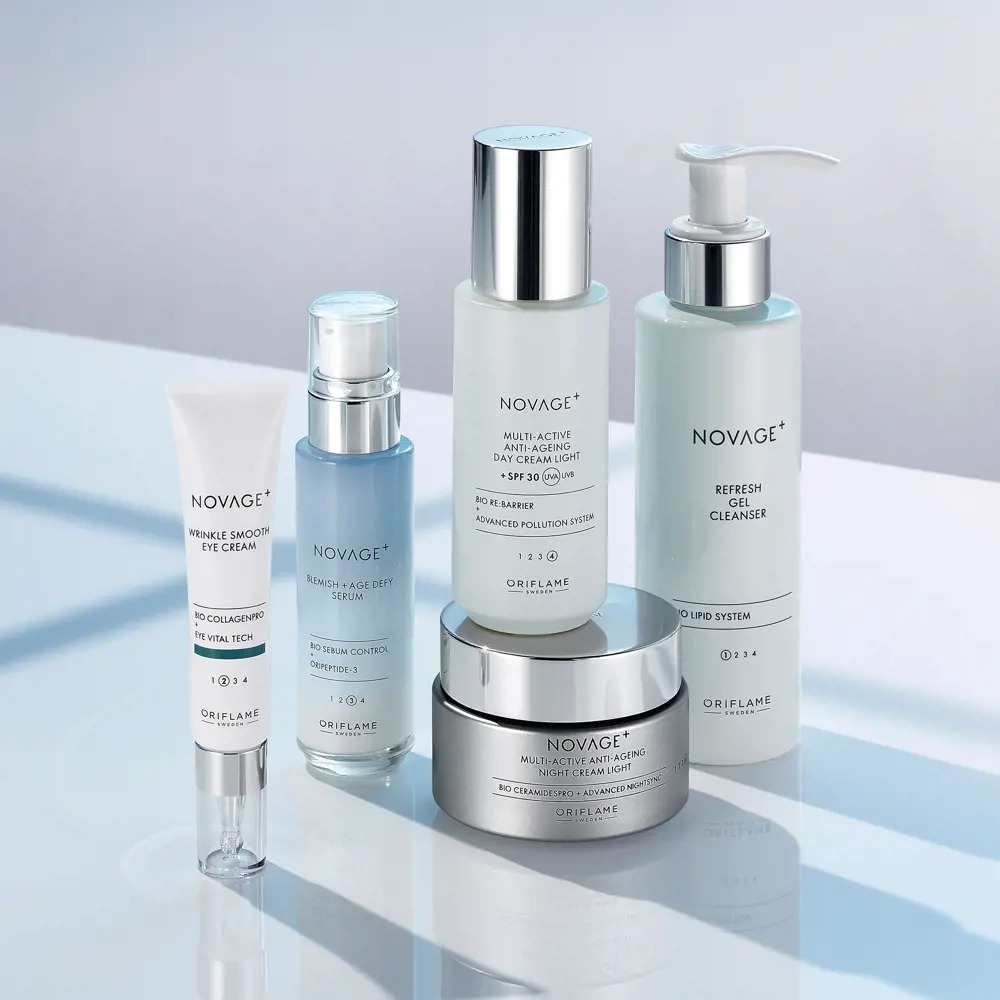
At myoriflame.co.ke, we stock a curated range of Oriflame skincare products scientifically formulated for dark spots, hyperpigmentation, and uneven skin tone. Here are our top picks:
1. Novage+ Bright Intense Routine
The Novage+ Bright Intense Routine is Oriflame’s dedicated answer for hyperpigmentation, dark spots, and uneven skin tone. Powered by 11 Bio Activating Technologies and active ingredients including Vitamin C, Niacinamide, and Kojic Acid, this routine is clinically proven to show results in as little as 2 weeks. It’s designed for all skin types and delivers a comprehensive brightening system, cleanser, serum, and moisturiser, that works together in perfect sync.
→ Browse the Novage+ Bright Intense range at myoriflame.co.ke
2. Novage+ Blemish + Age Defy Routine
If your dark spots come primarily from blemishes and acne scars, the Novage+ Blemish + Age Defy Routine is an excellent choice. The formula targets blemish scars, clogged pores, breakouts, and fine lines simultaneously, a multi-tasker that is perfect for Kenyan skin dealing with acne-related hyperpigmentation. The serum within this line directly fades blemish marks while preventing new ones from forming.
→ Shop the Blemish + Age Defy Routine here
3. Novage ProCeuticals 10% Vitamin C Solution
For those who want a targeted, high-potency Vitamin C boost, the Novage ProCeuticals 10% Vitamin C Solution is a concentrated treatment that integrates seamlessly into your existing Novage+ routine. ProCeuticals are designed for focused, temporary use on specific concerns, making this ideal for targeting persistent dark spots that need extra attention. Use it for 4–8 weeks to see a visible reduction in spot intensity.
→ View our targeted skincare range
4. Oriflame Sun Zone SPF 30 / SPF 50
As we’ve emphasised throughout, daily SPF is non-negotiable when treating dark spots. Oriflame’s Sun Zone range offers lightweight, non-greasy formulas ideal for daily use in Kenya’s climate. Protecting your skin from UV rays stops new dark spots from forming while existing ones fade.
→ Shop Sun Care products at myoriflame.co.ke
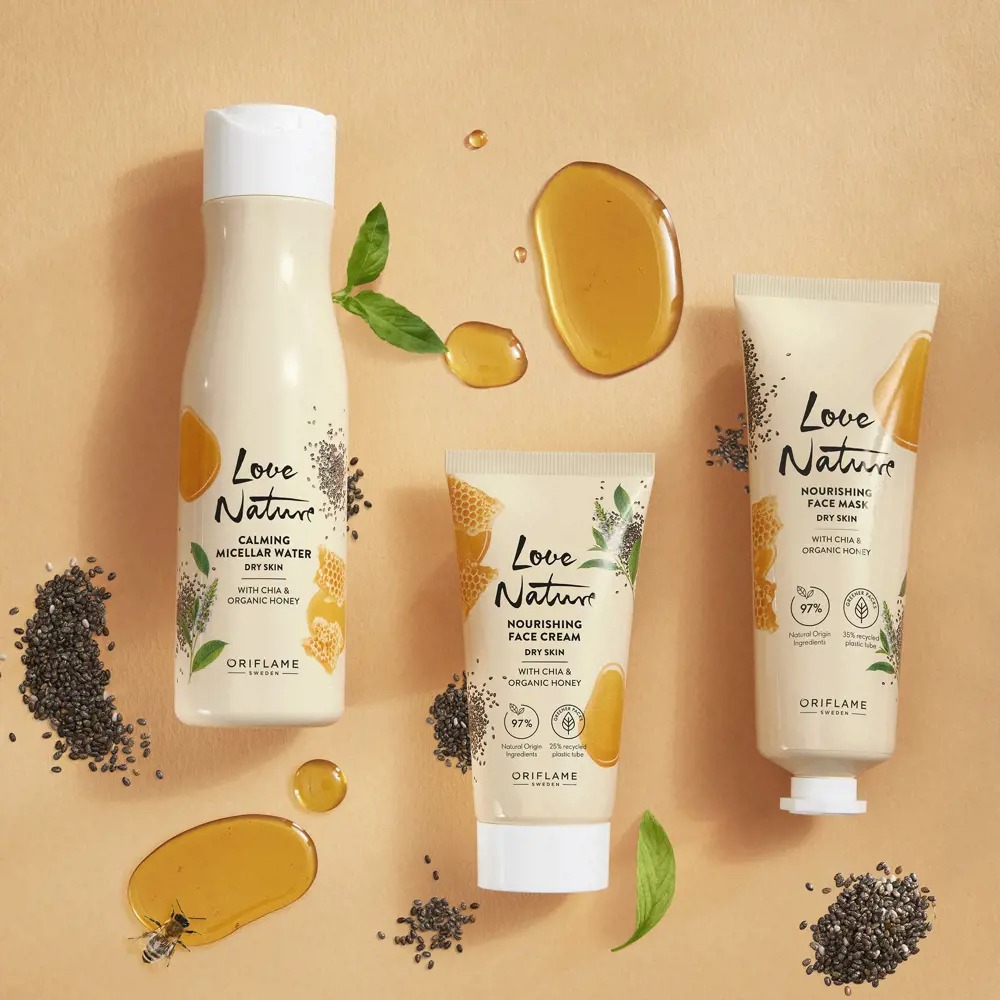
5. Love Nature Micellar Cleansing Water
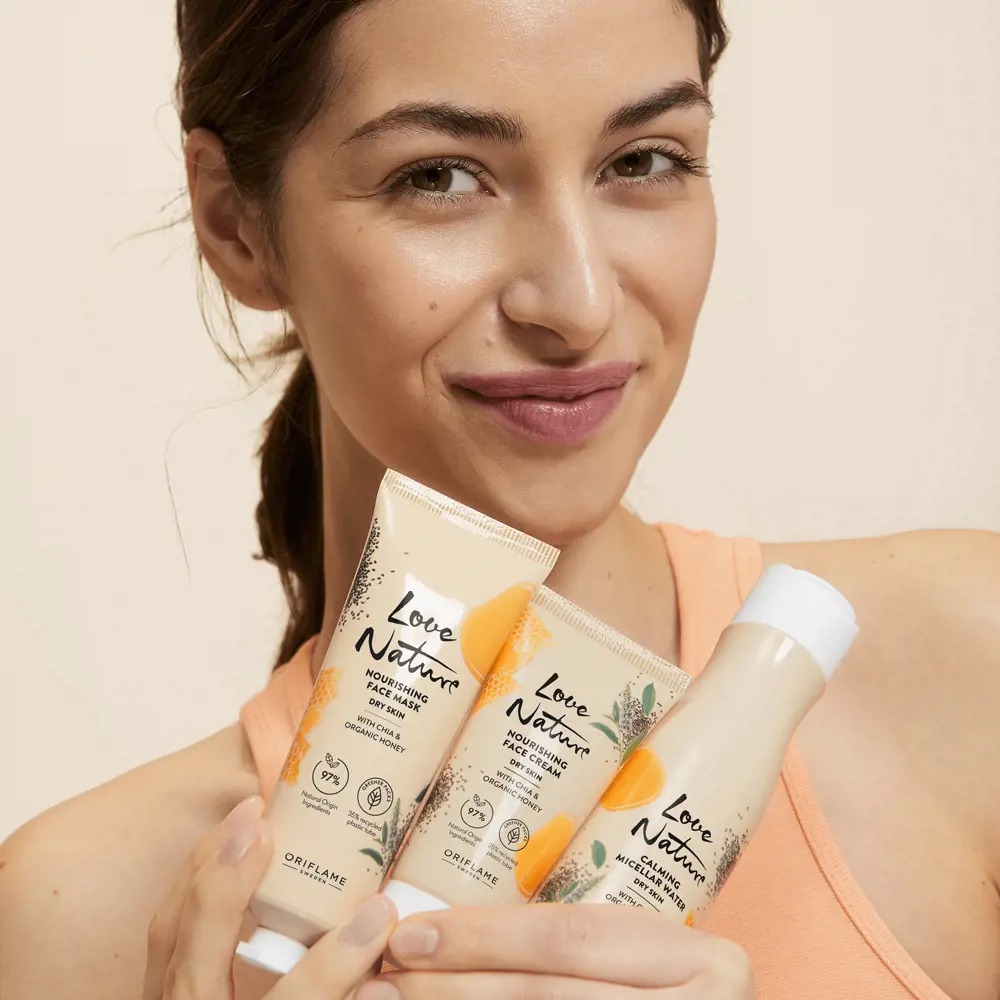
A good dark-spot routine starts with thorough, gentle cleansing. The Love Nature Micellar Facial Cleansing Water with Chia and Organic Honey removes makeup, excess oil, and impurities without stripping the skin, making it the ideal first step for keeping breakouts, and therefore dark spots, at bay.
→ Browse cleansers at myoriflame.co.ke
💛 Special Offer: Buy any 3 Novage+/Novage sets within 3 consecutive months and get 1 free set of your choice in the 3rd month!
View current offers at myoriflame.co.ke →
View current offers at myoriflame.co.ke →
Lifestyle Tips That Speed Up Your Dark Spot Results
Products alone won’t fully cut it. Your lifestyle plays a massive role in how quickly you can get rid of dark spots on face. Here’s what actually helps:
Stay Hydrated
Skin that is well-hydrated from within has a stronger barrier, turns over cells more efficiently, and generally appears more radiant. Aim for at least 8 glasses of water a day. In Kenya’s warmer lowland regions, even more so.
Eat Antioxidant-Rich Foods
Fruits and vegetables rich in antioxidants, such as mangoes, avocados, tomatoes, spinach, and sweet potatoes (all readily available at Kenyan markets), help fight the oxidative stress that contributes to skin damage and pigmentation.
Stop Picking Your Skin
We know. It’s tempting. But picking, squeezing, or scratching blemishes introduces bacteria, worsens inflammation, and dramatically increases the chance of leaving behind a dark mark. Hands off, always.
Get Enough Sleep
Skin does most of its repair work at night. Cell regeneration peaks during deep sleep. If you’re consistently sleep-deprived, your skin’s natural ability to fade pigmentation and renew itself slows down. Aim for 7–9 hours.
Manage Stress
Chronic stress elevates cortisol levels, which can trigger hormonal imbalances, increase inflammation, and lead to breakouts, all of which contribute to dark spots. Exercise, prayer, meditation, and rest are not luxuries; they’re part of good skincare.
Wear a Hat or Seek Shade
Physical sun protection is a great complement to sunscreen, especially during the midday hours (10am–3pm) when UV radiation is strongest. A wide-brimmed hat costs very little and provides significant protection.
What to Avoid When Trying to Get Rid of Dark Spots on Face
Knowing what not to do can save your skin — and your money:
❌ Avoid Harsh Bleaching Creams with Mercury or High-Dose Hydroquinone
Many cheap skin lightening creams sold in Kenyan markets and online contain mercury or concentrations of hydroquinone well above the safe limit. These cause exogenous ochronosis, a form of irreversible dark pigmentation, as well as nerve damage and kidney problems. Always buy from trusted, legitimate retailers.
❌ Avoid Over-Exfoliation
AHAs and physical scrubs are great tools, but too much exfoliation strips the skin barrier, causing redness, sensitivity and, ironically, more pigmentation. Limit exfoliation to 2–3 times a week maximum.
❌ Don’t Skip SPF
We’ve said it before and we’ll say it again. Sun protection is the single most important step when treating dark spots. Without it, any progress you make during the day gets partially undone by UV exposure.
❌ Don’t Expect Overnight Results
Hyperpigmentation is a slow process to reverse. Most people see meaningful improvement after 6–12 weeks of consistent routine use. If you keep switching products every two weeks, you’ll never give anything enough time to work.
❌ Avoid DIY Lemon Juice Treatments
Applying neat lemon juice to your face is a popular home remedy but it causes phototoxic reactions, especially on darker skin tones, worsening pigmentation when exposed to sunlight. The citric acid in lemon is too harsh and unpredictable for direct skin application.
For further reading on hyperpigmentation and skin science, these are credible external resources:
Frequently Asked Questions: How to Get Rid of Dark Spots on Face in Kenya
How long does it take to get rid of dark spots on face?
It depends on the type and depth of pigmentation. Superficial dark spots from recent pimples can fade in as little as 4–8 weeks with a good routine. Deeper or older spots, including melasma or long-standing sun damage, can take 3–6 months or longer. Consistency and daily sunscreen are the two biggest factors that determine how fast you see results.
Can dark spots be removed permanently?
Yes, many dark spots can be faded significantly or completely with consistent treatment. However, if you continue to expose skin to UV rays without protection, new spots can form. The key to permanent results is combining treatment with ongoing prevention, especially daily SPF use. Some deep types like melasma may require maintenance to prevent recurrence.
Which Oriflame product is best for dark spots in Kenya?
The Novage+ Bright Intense Routine is Oriflame’s most targeted line for dark spots and hyperpigmentation, using Vitamin C, Niacinamide, and Kojic Acid, proven brightening ingredients. For blemish-related dark spots, the Novage+ Blemish + Age Defy Routine is an excellent choice. Both are available at My Oriflame Kenya Shop with delivery across Kenya.
Is Vitamin C serum good for dark spots on black skin?
Absolutely. Vitamin C is one of the most effective ingredients for all skin tones, including deeper, melanin-rich skin. It inhibits tyrosinase (the enzyme driving melanin production) without bleaching skin, it evens tone rather than lightening it indiscriminately. Pair it with Niacinamide and SPF for best results.
Why do dark spots keep coming back?
Dark spots tend to return when the root trigger isn’t addressed. If you’re not wearing sunscreen daily, UV rays will keep stimulating melanin. If you’re still getting breakouts, PIH will keep recurring. Treat the cause (protect from sun, manage acne, balance hormones if possible) alongside the symptom, and you’ll see far longer-lasting results.
Do I need a dermatologist to treat dark spots in Kenya?
For most cases of post-acne marks and mild sun spots, a good over-the-counter routine with proven ingredients (like those in the Oriflame Novage+ range) is sufficient. However, if you have severe melasma, very widespread pigmentation, or spots that aren’t responding to 3–4 months of consistent care, consulting a dermatologist is highly is advisable. They may recommend prescription treatments like higher-strength hydroquinone (used safely under supervision), chemical peels, or laser therapy.
How do I get rid of dark spots on face fast at home in Kenya?
The fastest safe approach at home combines: (1) a Vitamin C or Niacinamide serum applied daily, (2) a gentle AHA exfoliant 2–3 times a week to remove pigmented surface cells faster, (3) sunscreen every morning without fail, and (4) not picking or aggravating existing spots. You’ll see initial brightness improvements within 2–4 weeks and more significant fading in 6–8 weeks. Products like Oriflame’s Novage+ range, available at myoriflame.co.ke, are specifically formulated to accelerate this process safely.
Are skin-brightening products safe for dark African skin?
Yes, when you use well-formulated, reputable products. Ingredients like Vitamin C, Niacinamide, Kojic Acid, AHAs, and Retinol are all safe for darker skin tones when used correctly. What’s not safe is the use of unregulated mercury-based creams, high concentrations of prescription-only ingredients without supervision, or aggressive physical scrubbing. Stick to trusted brands and proper usage guidelines.
You Can Get Rid of Dark Spots on Face: Patiently, Consistently, Safely
Getting clearer, more even-toned skin is entirely achievable. The secret isn’t finding a miracle product, it’s building a realistic, science-backed routine and sticking with it. Understand what’s causing your dark spots, choose products with proven ingredients, protect your skin from the sun every day, and give your skin the time it needs to respond.
At myoriflame.co.ke, we’re here to help you find the right Oriflame skincare solutions for your specific concerns, from dark spots and blemishes to ageing and hydration. We stock authentic Oriflame products with delivery across Kenya, including Nairobi, Mombasa, Kisumu, Nakuru, and beyond.
Ready to start your skin-brightening journey? Browse our skincare range for dark spots and skin concerns →
Got a question? Contact us here and our team will be happy to help you choose the right routine for your skin.
Disclaimer: This article is first and of all for information purposes only. If in doubt, consult your doctor
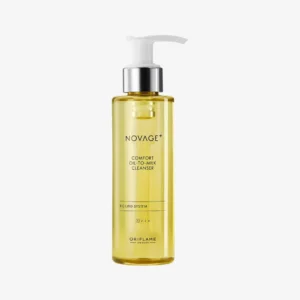
-
Best sellers
 Original price was: KSh 6,500.KSh 5,500Current price is: KSh 5,500.
 -
Best sellers
 Original price was: KSh 3,500.KSh 3,000Current price is: KSh 3,000.
 -
Best sellers
 Original price was: KSh 3,500.KSh 3,000Current price is: KSh 3,000.
 -
Best sellers
 Original price was: KSh 2,500.KSh 1,800Current price is: KSh 1,800.
-
Skincare
 Original price was: KSh 2,000.KSh 1,499Current price is: KSh 1,499.
 -
Skincare
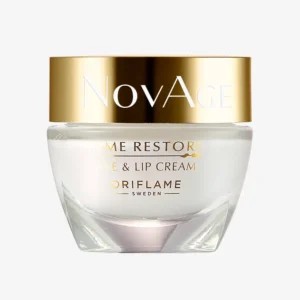 Original price was: KSh 3,500.KSh 3,000Current price is: KSh 3,000.
 -
Skincare
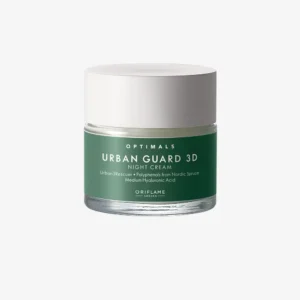 Original price was: KSh 4,500.KSh 3,900Current price is: KSh 3,900.
 -
Skincare
Original price was: KSh 4,500.KSh 3,900Current price is: KSh 3,900.
-
Skincare
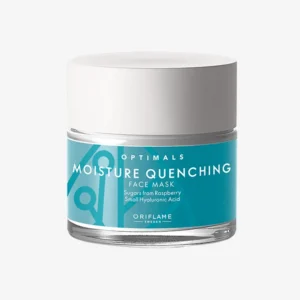 Original price was: KSh 3,500.KSh 3,000Current price is: KSh 3,000.