
Scalp care under braids is the part of protective styling that most people skip. Braids and weaves can tuck your hair away, but your scalp is still there. It still sweats, produces oil, collects dust and sheds skin cells. When it is neglected, you can end up with itching, flaking, buildup, tenderness and, in some cases, hair loss.
This guide to scalp care under braids explains how to wash, moisturise and soothe your scalp while your hair is braided or weaved, how to avoid damage from tension, and how to take your style down safely. You will also find Oriflame hair care products from My Oriflame Kenya Shop, based on what their product pages state.
Why scalp care under braids matters
Your scalp is skin, so scalp care under braids needs the same basics as skin care on your face: gentle cleansing, light moisture and protection from irritation. Under braids and weaves, sweat, natural oils, dust and styling products can build up for weeks. In Kenya’s heat and dust, that buildup can happen quickly. Tight styles also pull on the hair follicles, which is a separate risk.
Signs your scalp needs attention
- Itching that does not settle
- White flakes or waxy buildup along the parts
- Tenderness, bumps or redness
- A sour or stale smell from the scalp
- Headaches or a pulling feeling after your style is installed
The most important rule: your braids should not hurt
Tight styles can cause traction alopecia, a form of hair loss caused by repeated pulling that can become permanent. The American Academy of Dermatology explains that hairstyles that pull can lead to hair loss, and that the hairline is one of the first places the damage shows up. Its advice includes keeping braids short and light, wearing braids for no longer than about six to eight weeks, wearing weaves for short periods, choosing sewn-in weaves over glued ones, and removing a style immediately if it causes pain or irritates your scalp. Its guidance on how to prevent hair damage from a weave or extensions adds that pain or a headache while your hair is being installed means the style is too tight. Ask your stylist to loosen it straight away.
Before you braid: prepare for scalp care under braids
Healthy hair and scalp handle protective styles better. Before you book your appointment:
- Wash and condition your hair so you start with a clean scalp.
- Do a deep conditioning treatment to leave your natural hair as strong as possible.
- Trim split ends so they do not break further under the style.
- Skip braiding if your scalp is irritated, sunburnt, broken or very flaky.
- Choose an experienced stylist, and ask for lighter extensions and a looser finish, especially at the edges.
A simple routine for scalp care under braids
Scalp care under braids: wash every one to two weeks
Most people can wash their scalp every one to two weeks, depending on how oily or sweaty it gets. Dilute a little shampoo with water in a nozzle bottle, apply it along the parts, and massage gently with your fingertips, not your nails. Let the suds run down the braids instead of scrubbing them. Rinse very well, because leftover shampoo causes itching, then dry your braids thoroughly. Damp braids can smell musty and irritate the scalp.

Scalp care under braids: moisturise lightly
A little goes a long way. Use a light oil or leave-in product sparingly along the parts, and mist the braids with water or a light leave-in spray when they feel dry. Heavy creams, thick gels and too much oil attract dust and lead to buildup, which can look like dandruff.
Soothe an itchy scalp without scratching
Scratching with your nails can break the skin and cause infection. Instead, press or tap the itchy spot, or gently massage with your fingertips. If flaking comes with the itch, a medicated anti-dandruff shampoo used once or twice a week can help. If itching is severe or does not settle after you wash, see a dermatologist.
Protect your braids at night
Sleep in a satin or silk bonnet or scarf, or on a satin pillowcase, to cut down on friction. Avoid tying braids into a tight bun at night, because that adds tension on your hairline.
Keep sweat and dust under control
Wipe sweat from your hairline gently with a clean cloth, avoid heavy edge control products that build up, and keep your hands clean when you touch your scalp.
Scalp care under braids: dandruff or buildup?
White, waxy flakes along the parts are often product buildup, while dandruff tends to cause itching and flakes that are more widespread. You can try washing more thoroughly and using less product first. If flakes persist, an anti-dandruff shampoo with salicylic acid can help, and a weekly scalp purifier can help lift buildup. If you also see red, sore or crusted patches, see a dermatologist instead of treating it yourself.

Scalp care under braids: how to take your style down safely
- Do not leave the style in longer than it should be. Follow your stylist’s advice and the academy’s guidance of no more than about six to eight weeks for braids.
- Work slowly. Use conditioner or a detangling spray and a wide-tooth comb, starting at the ends.
- Do not pull out shed hair roughly. Some shedding is normal, because the hair that fell out over several weeks is released when the style comes down.
- Wash and deep condition once the style is out, and check your hairline and scalp for tenderness or thinning.
- Give your hair and scalp a break between styles instead of re-installing straight away.
Scalp care under braids: Oriflame products to consider
These products are available at My Oriflame Kenya Shop. The details below come from their product pages. Prices can change, so check the current price on each page before you order, and patch test anything new on a small area first.
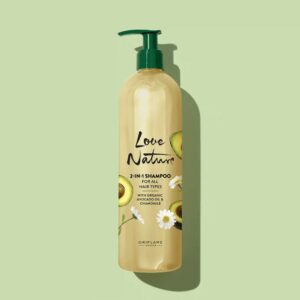
- Love Nature Organic Avocado Oil and Chamomile Extract 2 in 1 Shampoo for All Hair Types: A 2-in-1 shampoo with natural organic avocado oil and chamomile extract that the product page says gently cleanses and softens hair in one step. Listed at KSh 3,000 at the time of writing.
- Anti-Flake Purifying Shampoo: A purifying anti-dandruff shampoo with salicylic acid and Dandzi Complex, which the product page says rebalances the scalp microbiome. The page says it visibly reduces dandruff flakes in two weeks. Listed at KSh 2,800 at the time of writing.
- DUOLOGI Effective Scalp Purifier Against Dandruff: A double-acting purifier with salicylic acid that the product page says purifies the scalp without touching natural oils, as part of a weekly detox routine. The page says it is clinically tested. Listed at KSh 2,500 at the time of writing.
- Love Nature Coconut Hair Oil: A 99% natural origin coconut oil that the product page says moisturises dry and damaged hair and helps prevent dandruff. Use it sparingly so it does not build up under your style. Listed at KSh 2,300 at the time of writing.
- Duologi Scalp Massager: A flexible-tipped tool that the product page says is designed to revitalise the scalp with a gentle massage and remove residue, dead cells and excess sebum. It is best used on wash days between styles, when your hair is not braided. Listed at KSh 1,800 at the time of writing.
You can also browse our full range of shampoos for other hair types.

Common scalp care under braids mistakes
- Leaving braids in for too long, which adds tension and buildup.
- Accepting a style that hurts. Pain is a sign it is too tight.
- Never washing your scalp because the braids are in.
- Using heavy oils and creams that attract dust and cause buildup.
- Scratching with your nails.
- Not drying braids thoroughly after washing.
- Wearing tight buns or ponytails over braids.
- Ignoring scalp bumps, tenderness or thinning edges.
Frequently asked questions
How often should I wash my scalp under braids?
Most people can wash every one to two weeks. If your scalp is very oily or you sweat a lot, you may need to wash more often. Always rinse thoroughly and dry your braids well.
How do I stop itching under braids?
Wash your scalp to remove buildup, rinse well and avoid heavy products. If flakes come with the itch, a medicated anti-dandruff shampoo may help. Avoid scratching with your nails, and see a dermatologist if itching is severe or does not settle.
Can I put oil on my scalp under braids?
You can use a light oil sparingly along the parts, but heavy oils and creams attract dust and cause buildup. If your scalp is flaky or irritated, wash first and talk to a dermatologist if it does not improve.
How long can I keep braids in?
The American Academy of Dermatology advises wearing braids for no longer than about six to eight weeks, and wearing weaves for short periods. Remove a style at once if it hurts or irritates your scalp.
Why does my scalp hurt after braiding?
Pain or a headache usually means the style is too tight. Ask your stylist to loosen it straight away, because tight styles can cause traction alopecia, a form of hair loss that can become permanent.
When should I see a dermatologist about scalp care under braids?
See a dermatologist if you have ongoing pain, redness, crusting or bumps on your scalp, severe itching, or thinning around your hairline. Early advice can stop damage from becoming permanent.
Conclusion
Good scalp care under braids comes down to a few habits: keep your style comfortable instead of tight, wash your scalp every one to two weeks, moisturise lightly, avoid heavy buildup and take your style down on time. Look after your scalp and your protective style can protect your hair instead of damaging it.
Ready to build your hair care routine? Explore our hair care range at My Oriflame Kenya Shop and choose products for each step.
This article is for general information and is not medical advice. If you have persistent scalp pain, itching, crusting or hair loss, speak to a dermatologist or another healthcare professional.
-
Best sellers
 Original price was: KSh 6,500.KSh 5,500Current price is: KSh 5,500.
-
Best sellers
 Original price was: KSh 3,500.KSh 3,000Current price is: KSh 3,000.
-
Best sellers
 Original price was: KSh 3,500.KSh 3,000Current price is: KSh 3,000.
-
Best sellers
 Original price was: KSh 2,500.KSh 1,800Current price is: KSh 1,800.
-
Skincare
 Original price was: KSh 2,000.KSh 1,499Current price is: KSh 1,499.
-
Skincare
 Original price was: KSh 3,500.KSh 3,000Current price is: KSh 3,000.
-
Skincare
 Original price was: KSh 4,500.KSh 3,900Current price is: KSh 3,900.
-
Skincare
Original price was: KSh 4,500.KSh 3,900Current price is: KSh 3,900.
-
Skincare
 Original price was: KSh 3,500.KSh 3,000Current price is: KSh 3,000.