A good combination skin routine in Kenya starts with accepting that your face is not one skin type. Your forehead, nose and chin turn shiny by midday, while your cheeks feel tight or flaky. Use products made for oily skin and your cheeks complain. Use products made for dry skin and your T-zone turns greasy.
This guide explains what combination skin is, how to tell if you have it, and how to build a simple combination skin routine in Kenya that balances both sides of your face. You will also find Oriflame products from My Oriflame Kenya Shop that suit each step, based on what their product pages state.
What is combination skin?
Combination skin is skin that is oily in some areas and dry or normal in others. The most common pattern is an oily T-zone, meaning the forehead, nose and chin, with drier cheeks. Genetics play a big part, but weather, hormones, age and the products you use can all change how your skin behaves. If your cheeks are the bigger problem, our guide to dry skin during Kenya’s dry season explains how dry weather affects your skin.
How to tell if you have it
Try the bare-face test. Wash your face with a gentle cleanser, pat it dry and apply nothing. Wait about 30 minutes, then look in the mirror and notice how your skin feels. A shiny T-zone with tight or flaky cheeks points to combination skin. Shine all over suggests oily skin, and tightness all over suggests dry skin. If you are unsure, a dermatologist can confirm your skin type.
Common signs of combination skin
- Shine on the forehead, nose and chin within a few hours of cleansing
- Visible pores on the nose and chin
- Dry or flaky patches on the cheeks
- Makeup that slides off the T-zone but clings to dry cheeks
- Occasional breakouts around the nose or chin, with tightness elsewhere
The golden rule of a combination skin routine in Kenya
Treat your whole face gently, then treat each zone for what it actually needs. Harsh, oil-stripping products can leave your cheeks irritated and may encourage your T-zone to produce even more oil, so more is not better. A good combination skin routine in Kenya has four aims:
- Cleanse without stripping. Strong foaming washes tend to dry out the cheeks.
- Hydrate everywhere. Even an oily T-zone needs water, and skin that lacks hydration can still look shiny.
- Control shine only where you need to. Use clay masks, blotting tools and mattifying products on the T-zone, not the whole face.
- Protect daily. Sunscreen matters for every skin type.
A simple combination skin routine in Kenya for morning and evening
Keep your combination skin routine in Kenya simple. Add one new product at a time, about a week apart, so you can tell what is helping and what is not.
Morning
- Cleanse. Use lukewarm water and a gentle gel cleanser. Avoid scrubbing.
- Add a light serum if you like. A lightweight serum with niacinamide is a popular choice because niacinamide is commonly used for oily-looking skin while supporting the skin barrier. Our guide to niacinamide vs vitamin C serum can help you decide where to start.
- Moisturise. Choose a light, oil-free gel cream for your whole face. If your cheeks still feel tight, add a second thin layer on the cheeks only.
- Finish with sunscreen. Use SPF 30 or higher every day.
Evening
- Remove sunscreen, makeup and dust. If you wore sunscreen or makeup, cleanse twice. Start with a gentle makeup remover or micellar water, then use your regular cleanser.
- Apply a serum or treatment if you use one. Keep any shine-control products on the T-zone.
- Moisturise. Use the same light cream, with an extra thin layer on dry cheeks if needed.
Once or twice a week: multi-masking
Multi-masking simply means using different masks on different parts of your face. Apply a clay mask to your T-zone for the time stated on the pack, and leave your cheeks bare or use a hydrating mask on them. Keep exfoliation to about once a week or less, because over-exfoliating irritates dry cheeks and can leave your T-zone looking even oilier.
During the day: blot, do not re-wash
When shine appears, blot your T-zone with a blotting roller or blotting paper instead of washing your face again. Washing several times a day strips the skin and can make oiliness worse.
Adjusting your routine for Kenya’s weather
Combination skin changes with the seasons, so your combination skin routine in Kenya should flex with the weather. In hot months, and in humid places like Mombasa, your T-zone may produce more shine, so lighter gel textures work best. In cooler or drier months, your cheeks may need a slightly richer cream. The American Academy of Dermatology advises lukewarm rather than hot water and moisturising soon after washing in its dermatologists’ tips for relieving dry skin, and the same habits help dry cheeks.
Dust and pollution settle on the skin all year round, so cleansing properly in the evening matters. UV rays are also strong near the equator, so keep wearing sunscreen even when the day feels cloudy or cool.
Oriflame products for a combination skin routine in Kenya
These products can help you build your combination skin routine in Kenya, and they are available at My Oriflame Kenya Shop. The details below come from their product pages. Prices can change, so check the current price on each page before you order.
Cleanse
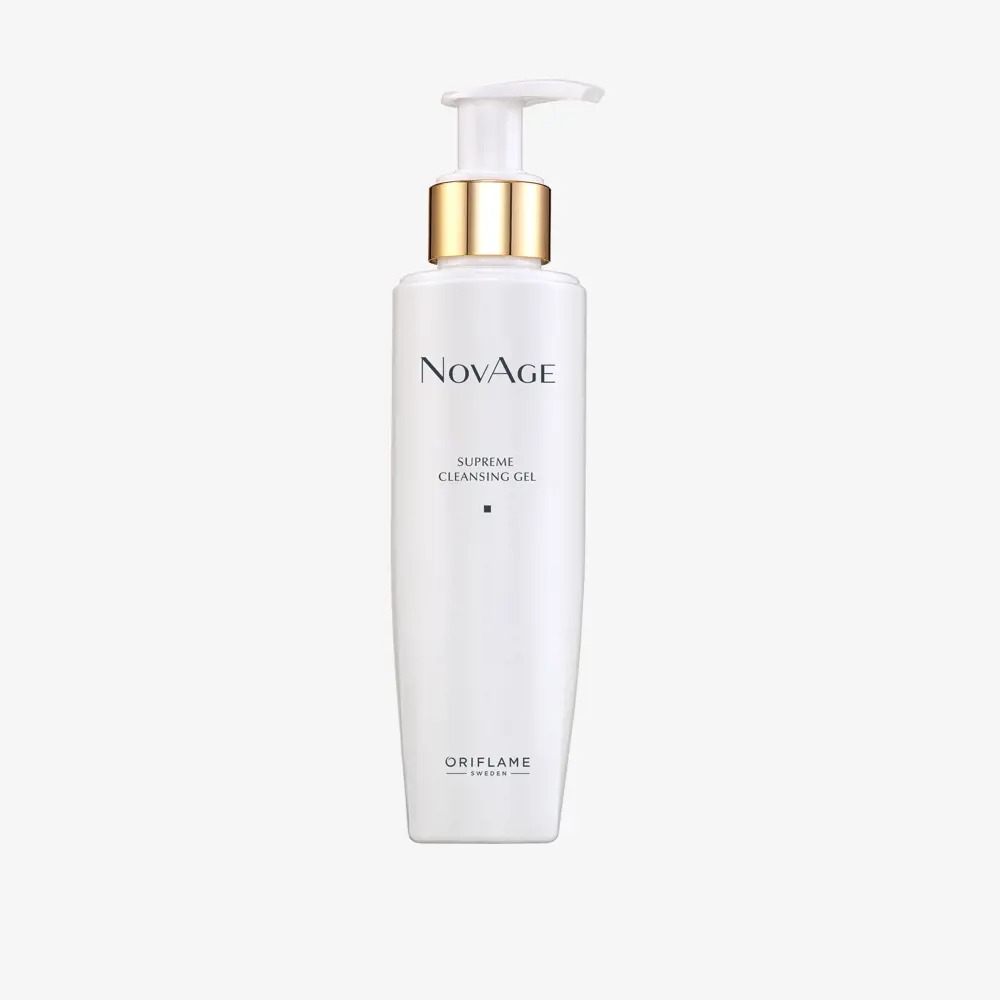
- Supreme Cleansing Gel: A moisturising 2-in-1 gel cleanser and toner that the product page says is designed to cleanse gently without stripping the skin barrier. It is described as soap-free and alcohol-free, and the page presents it as a cleanser for oily and combination skin. Listed at KSh 3,500 at the time of writing.
Moisturise
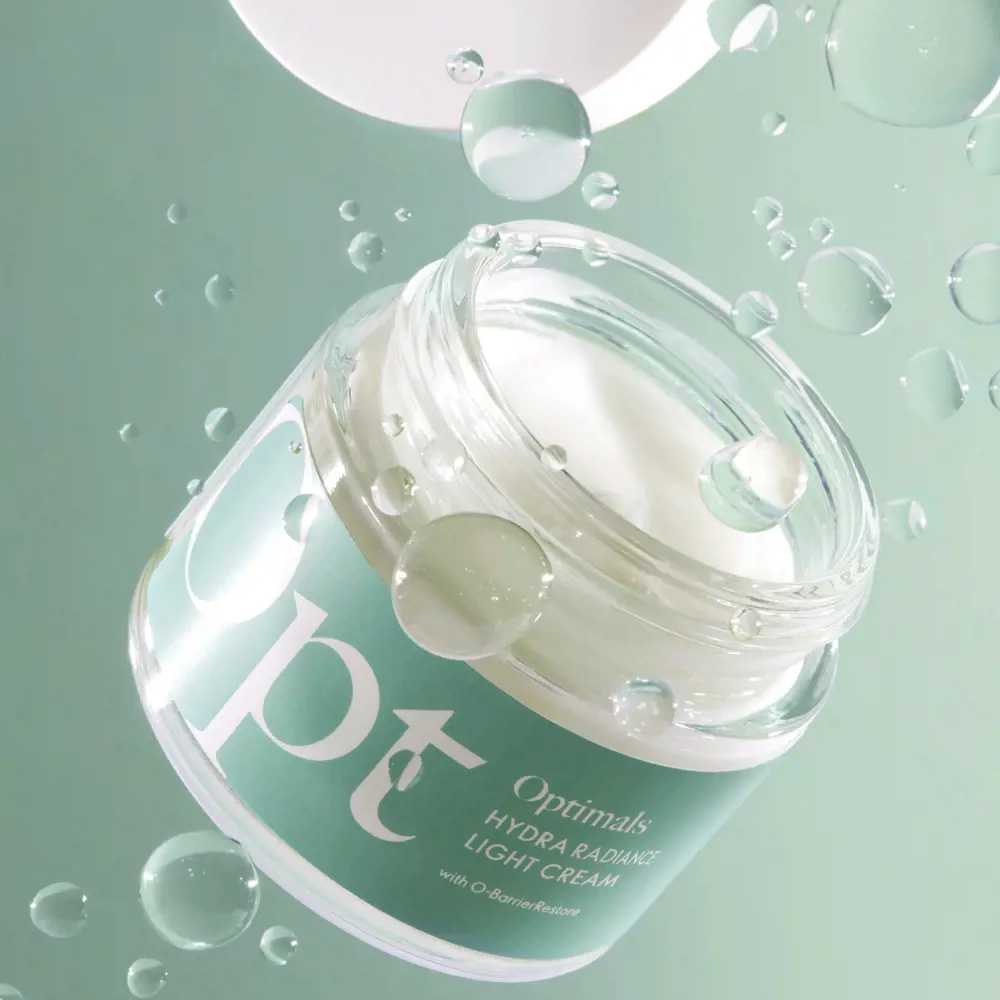
- Opt Optimals Hydra Radiance Light Cream: A light, non-greasy, oil-free cream that the product page describes as ideal for oily and combination skin. It contains niacinamide and a para-probiotic complex designed to strengthen the skin barrier, and the page says it is non-comedogenic and suitable for sensitive skin. Listed at KSh 3,500 at the time of writing.
Control shine on the T-zone
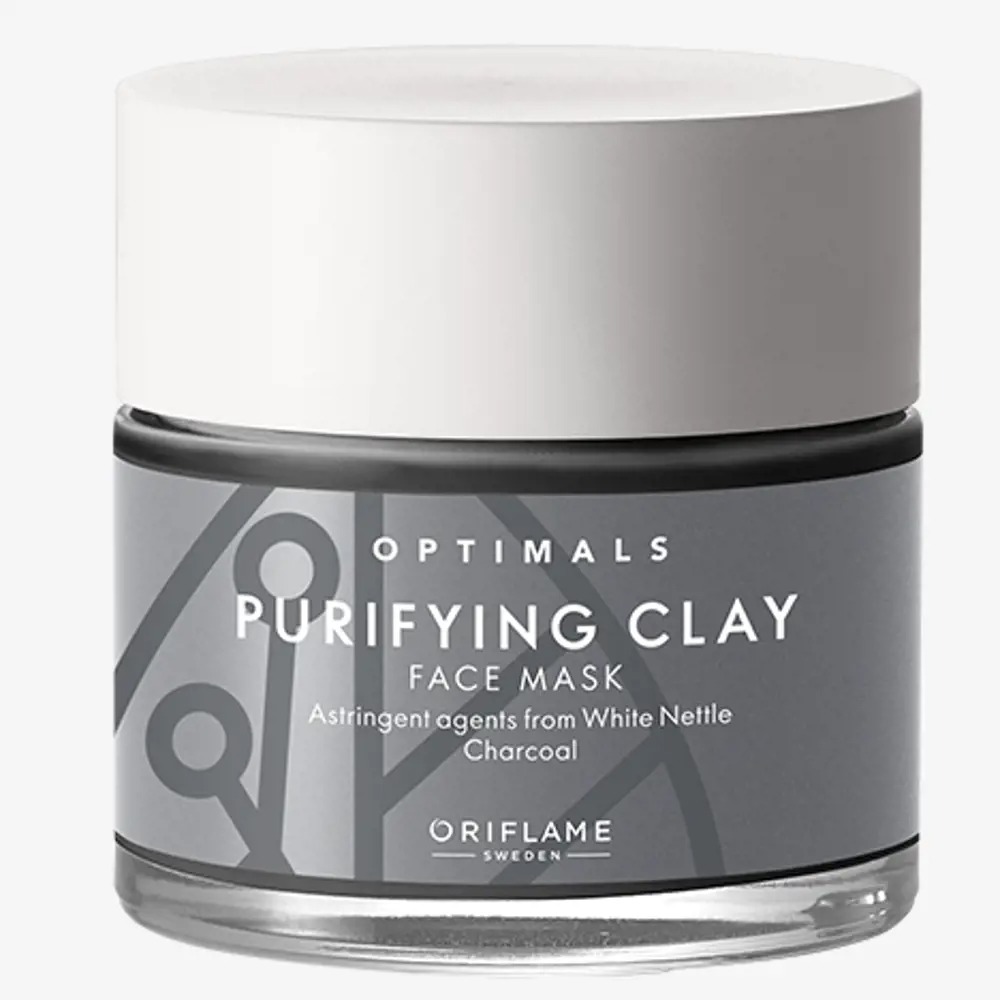
- Purifying Clay Face Mask: A clay and charcoal mask that the product page says helps draw out excess oil, dirt and pollution from the surface of the skin, with a 10-minute treatment time. Use it on your T-zone. Listed at KSh 3,000 at the time of writing.
- Pocket Type Blotting Roller: A pocket-sized natural volcanic stone roller designed to absorb excess oil from the face. It can be used over makeup, and you can wash and reuse it. Listed at KSh 1,500 at the time of writing.
Protect
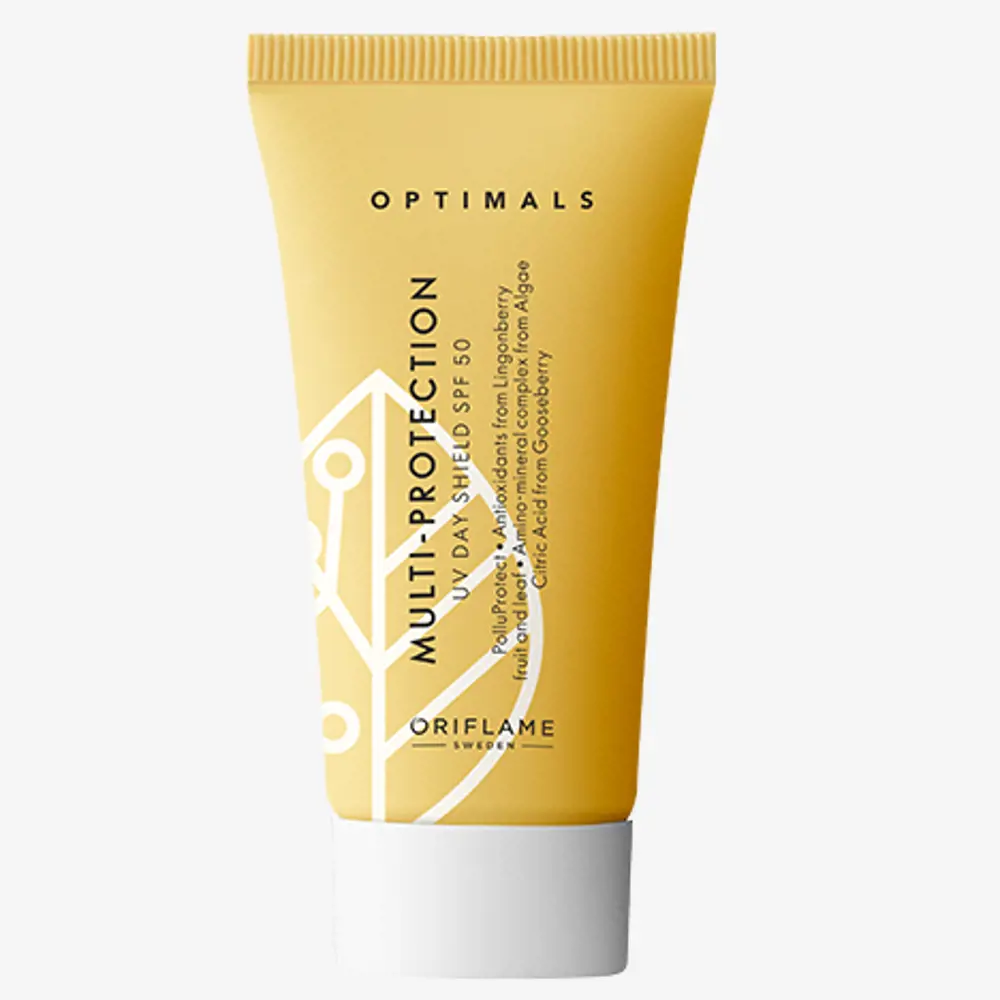
- Multi-Protection UV Day Shield SPF 50: A day shield with SPF 50 and PolluProtect technology, designed to protect against UV rays and pollution while giving skin instant hydration. Listed at KSh 3,500 at the time of writing.
If your T-zone is very oily, you may also like our guide to the best moisturizer for oily skin in Kenya.
Common mistakes in a combination skin routine in Kenya
These habits can undo an otherwise good combination skin routine in Kenya:
- Using a harsh, oil-stripping cleanser or toner all over your face.
- Skipping moisturiser because your T-zone is oily.
- Applying a heavy cream everywhere instead of only where you need it.
- Over-exfoliating, which irritates dry cheeks and can encourage more oil.
- Washing your face again and again to fight midday shine.
- Skipping sunscreen.
- Changing products every week, so you never learn what works.
Frequently asked questions
What is the best combination skin routine in Kenya?
A simple combination skin routine in Kenya is to cleanse gently, apply a light oil-free moisturiser all over, and finish with SPF 30 or higher in the morning. At night, remove sunscreen and makeup, then moisturise again. Treat the oily T-zone with a clay mask once or twice a week, and add a richer layer on dry cheeks only if needed.
How do I know if I have combination skin?
Wash your face with a gentle cleanser, apply nothing, and wait about 30 minutes. If your forehead, nose and chin look shiny while your cheeks feel tight or flaky, you probably have combination skin.
Should I use different products on my T-zone and cheeks?
You can, but you do not have to. The simplest approach is a gentle cleanser and a light moisturiser all over. Then use a clay mask or blotting tool on the T-zone, and add a slightly richer cream to dry cheeks if they need it.
Do I need a moisturiser if my T-zone is oily?
Yes. Oily skin still needs hydration, and skin that lacks water can look shinier. Choose a light, oil-free gel cream instead of skipping this step.
Can combination skin change with the seasons?
Yes. Weather, hormones, age and your skincare products can all change how your skin behaves. Many people find their T-zone is oilier in hot weather and their cheeks are drier in cool, dry weather.
When should I see a dermatologist?
See a dermatologist if you have persistent or painful breakouts, skin that is very dry, cracked or itchy, or if you are not sure what your skin type is. A professional can recommend a routine that suits you.
Conclusion
Combination skin does not need a complicated routine. Cleanse gently, hydrate everywhere, control shine only on the T-zone, and wear sunscreen every morning. Keep your combination skin routine in Kenya simple, adjust it with the seasons, and give new products a few weeks before judging them.
Ready to build your routine? Explore the moisturisers at My Oriflame Kenya Shop and choose a light formula that suits both sides of your face.
This article is for general information and is not medical advice. If you have persistent breakouts, irritation or dryness, speak to a dermatologist or another healthcare professional.
-
Best sellers
 Original price was: KSh 6,500.KSh 5,500Current price is: KSh 5,500.
-
Best sellers
 Original price was: KSh 3,500.KSh 3,000Current price is: KSh 3,000.
-
Best sellers
 Original price was: KSh 3,500.KSh 3,000Current price is: KSh 3,000.
-
Best sellers
 Original price was: KSh 2,500.KSh 1,800Current price is: KSh 1,800.
-
Skincare
 Original price was: KSh 2,000.KSh 1,499Current price is: KSh 1,499.
-
Skincare
 Original price was: KSh 3,500.KSh 3,000Current price is: KSh 3,000.
-
Skincare
 Original price was: KSh 4,500.KSh 3,900Current price is: KSh 3,900.
-
Skincare
Original price was: KSh 4,500.KSh 3,900Current price is: KSh 3,900.
-
Skincare
 Original price was: KSh 3,500.KSh 3,000Current price is: KSh 3,000.